A stay in Istria leaves indelible traces in the memory of anyone who has briefly experienced the magic of the rolling green hills of northern Istria or the olive groves alongside the vast blue sea in the south. Encounters with nature, the valuable inhabitants of Istria, and the products of the land have enriched many travelers and visitors to the Istrian peninsula for centuries.
Even ancient Roman writers praised the Istrian region, abundant with olive groves and high-quality oil. Pliny the Elder placed Istrian oil among the best oils in the Roman Empire, and Martial compared his homeland to the quality of Istrian oil.
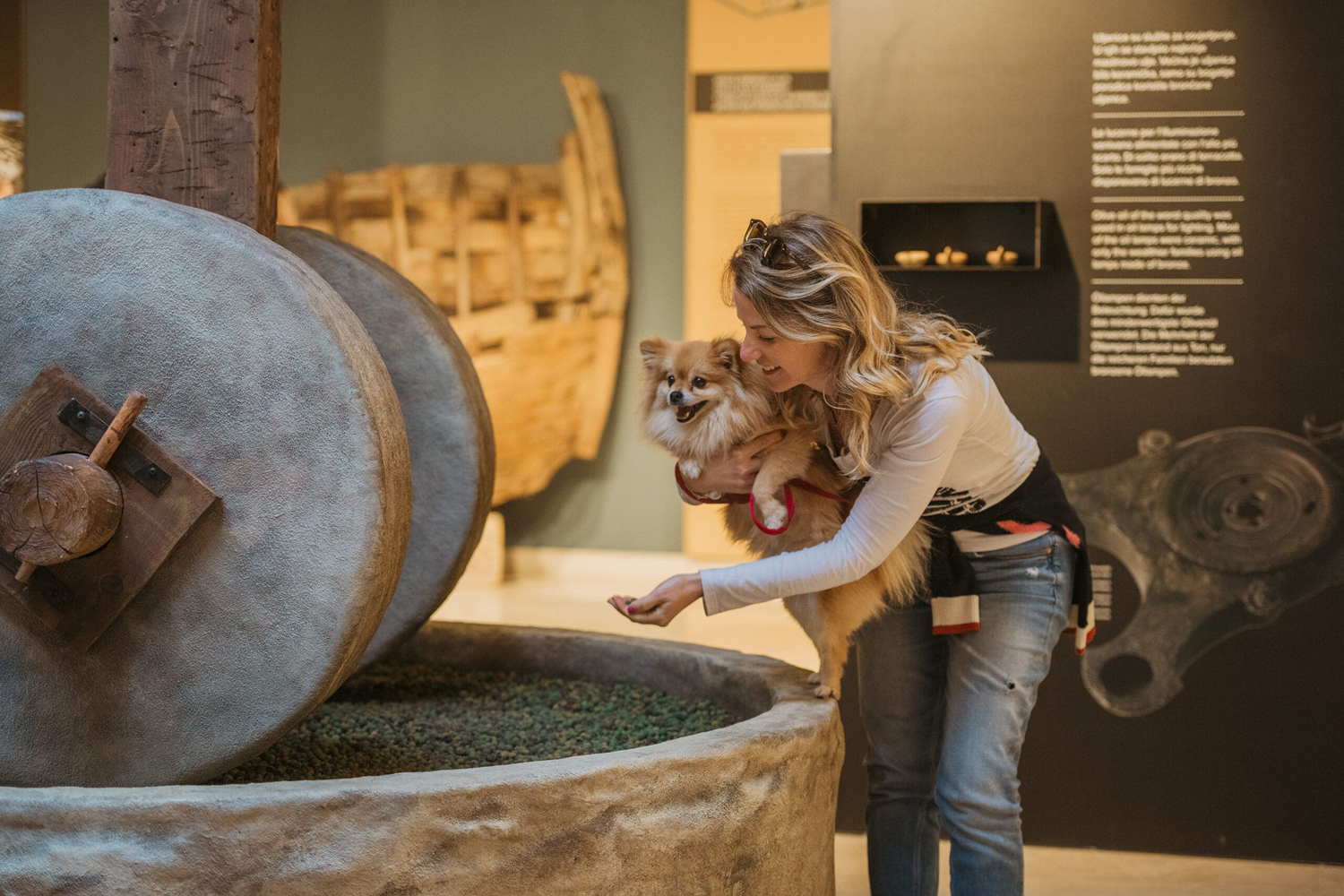
Many distinguished Roman citizens, senators, and even emperors visited Istria during that time. Some established olive oil production facilities in the area, such as the oil mill in Barbariga in southern Istria, which was one of the largest in the Mediterranean at the time.
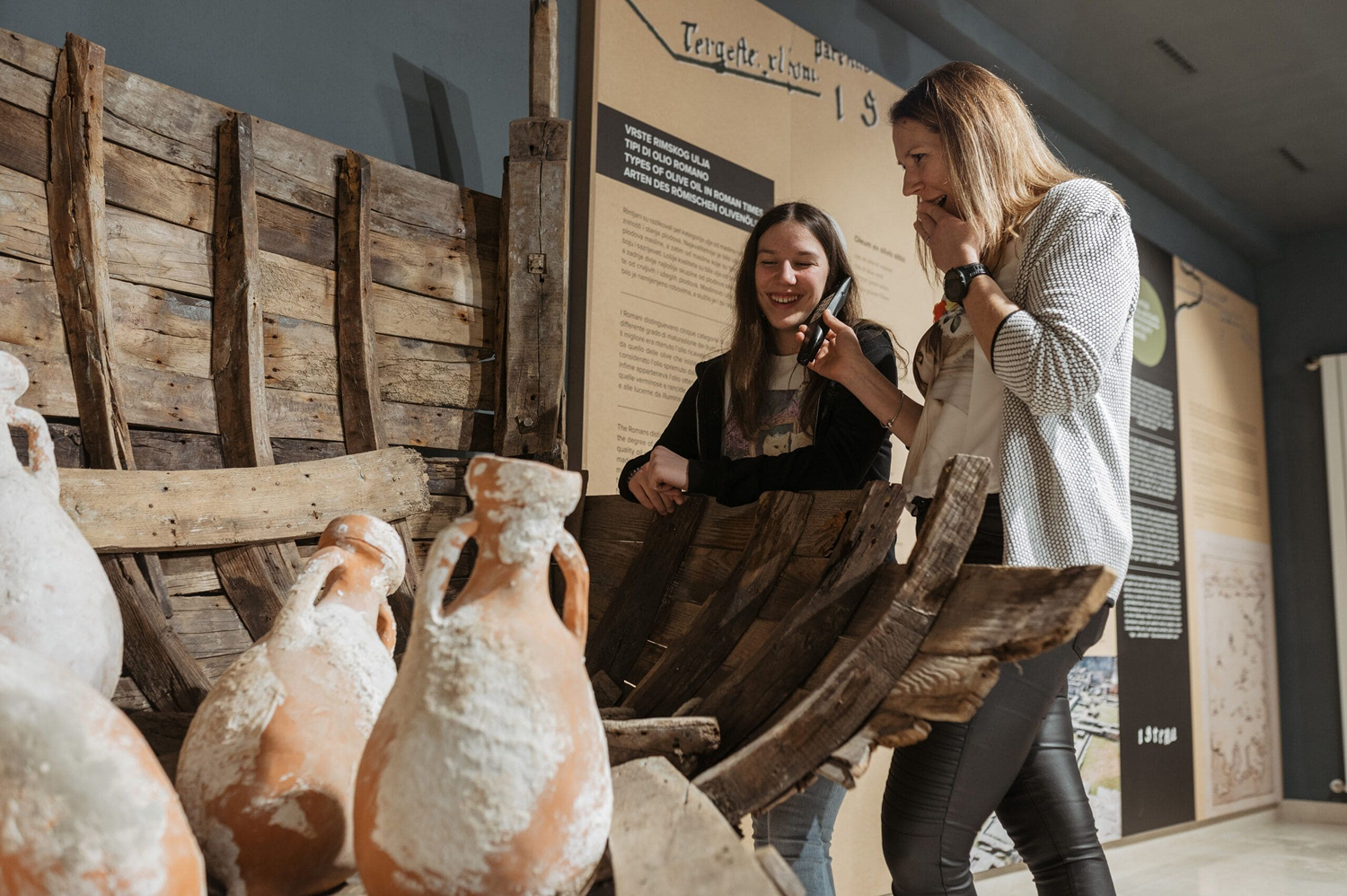
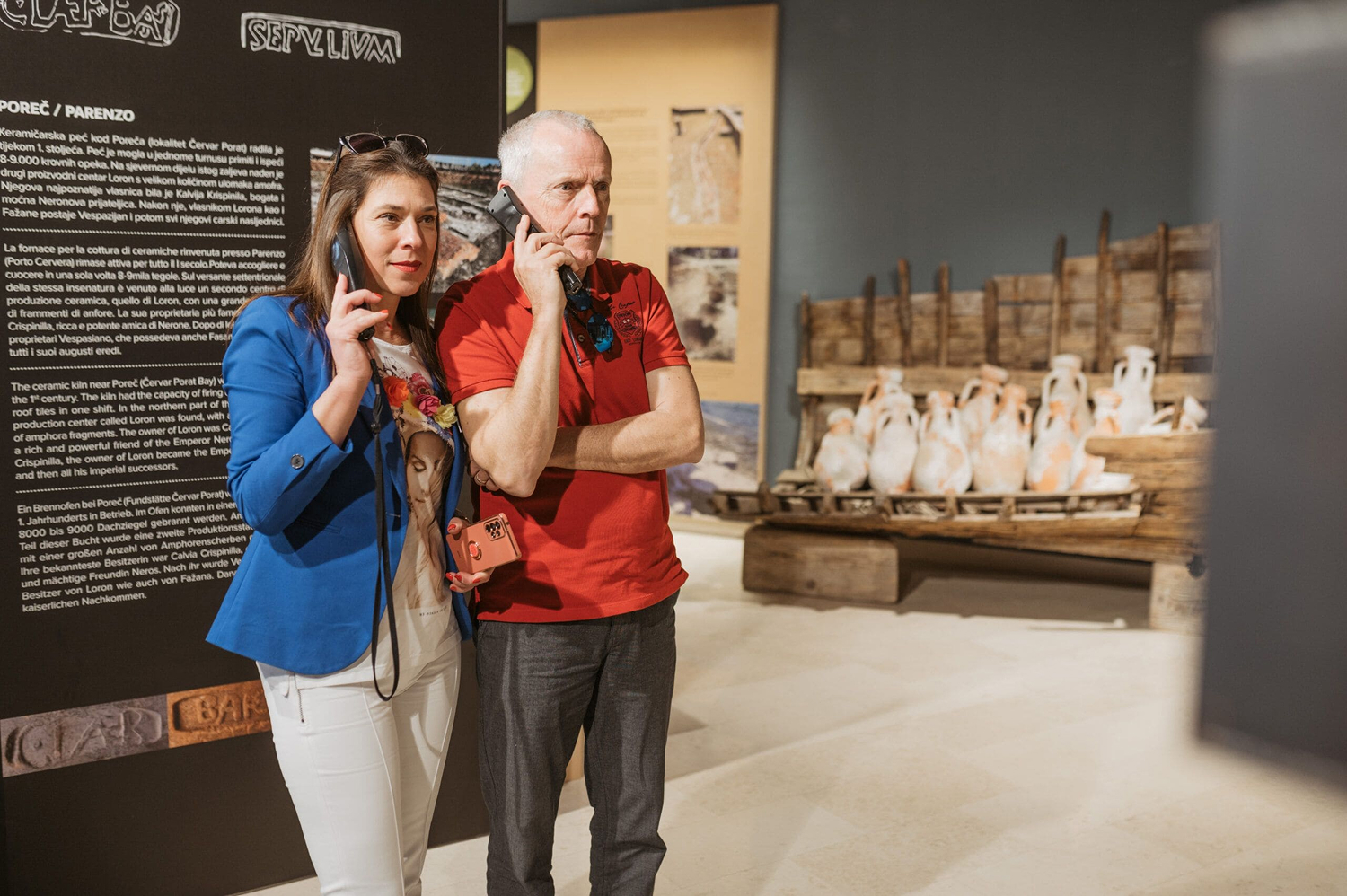
Others founded ceramic factories to produce amphorae, which were used to transport oil, just like the Roman senator Gaius Laecanius Bassus. He had a large amphora factory in the Fažana area near Pula, the remains of which have been found all over Europe. These findings have shed light on where Istrian oil was exported during Roman times.
During the Byzantine period, Cassiodorus referred to Istria as “regio olivis referta,” a region brimming with olives.
In the 16th century, on the orders of Pope Gregory XIII, Veronese Bishop Agostino Valier visited Istria. His report tells us that olive cultivation and olive oil played a significant role in the lives of the people of Istria in the 16th century and that legal disputes were even held over the olive groves.
At the end of the 19th century, French travel writer Charles Yriarte wrote about the wealth of Rovinj, with its numerous olive trees, and how boats of all kinds came to Rovinj for the local specialty, olive oil.
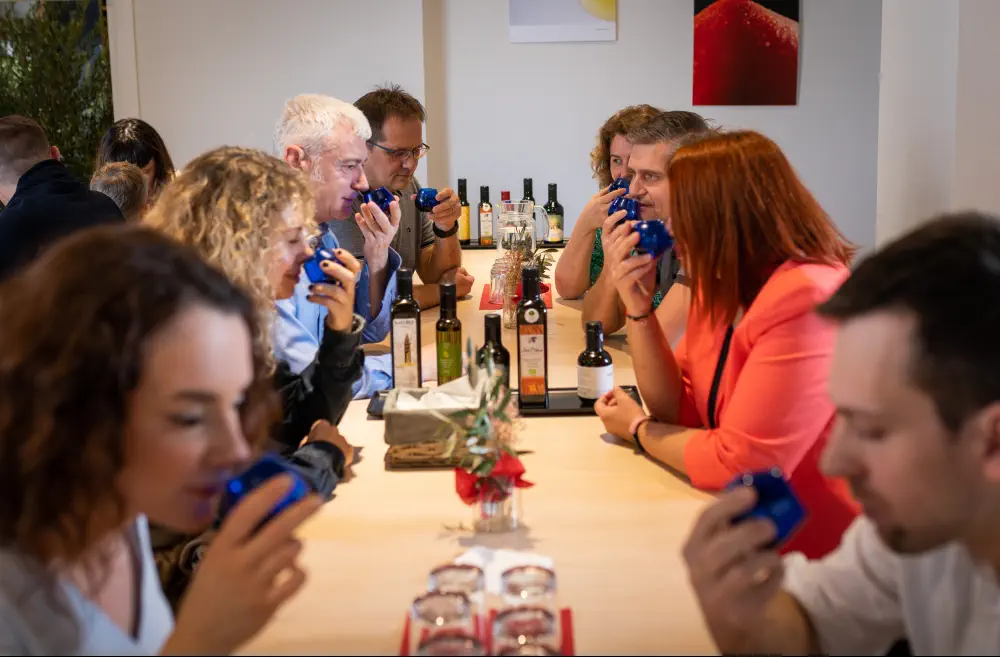
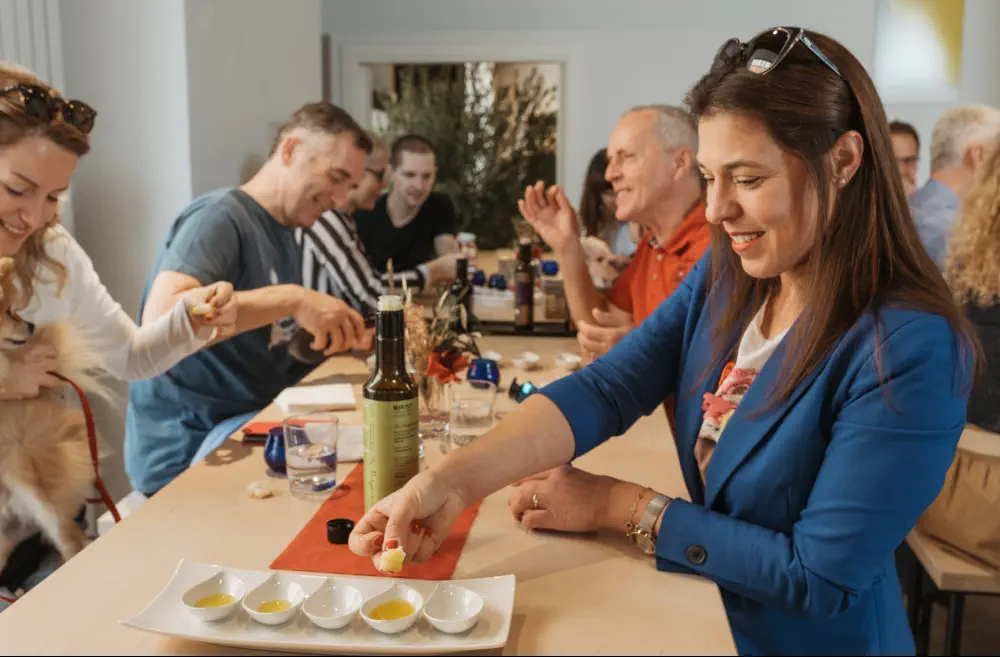
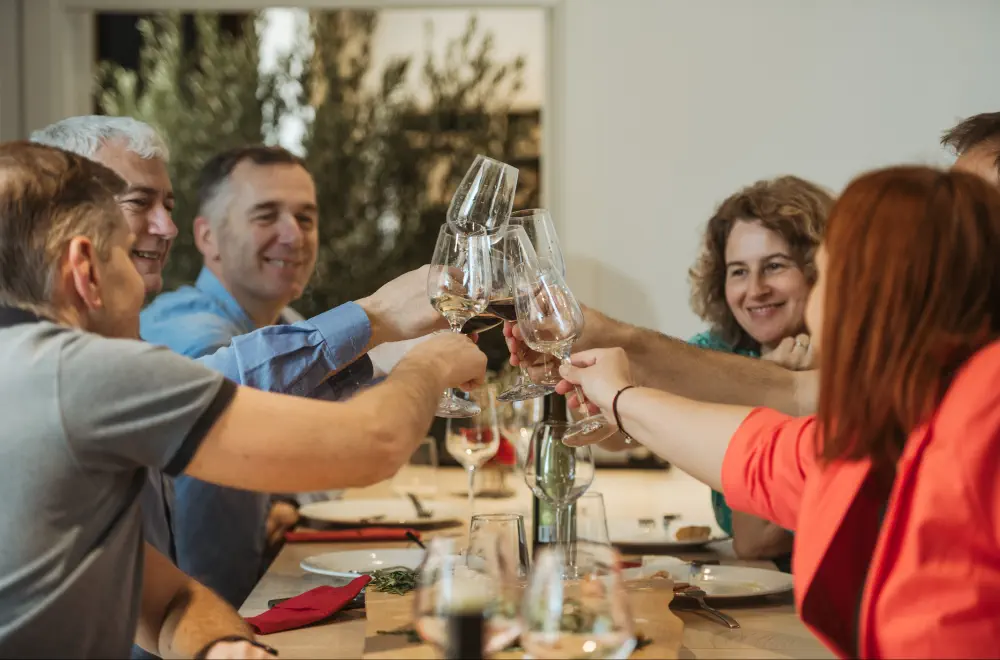
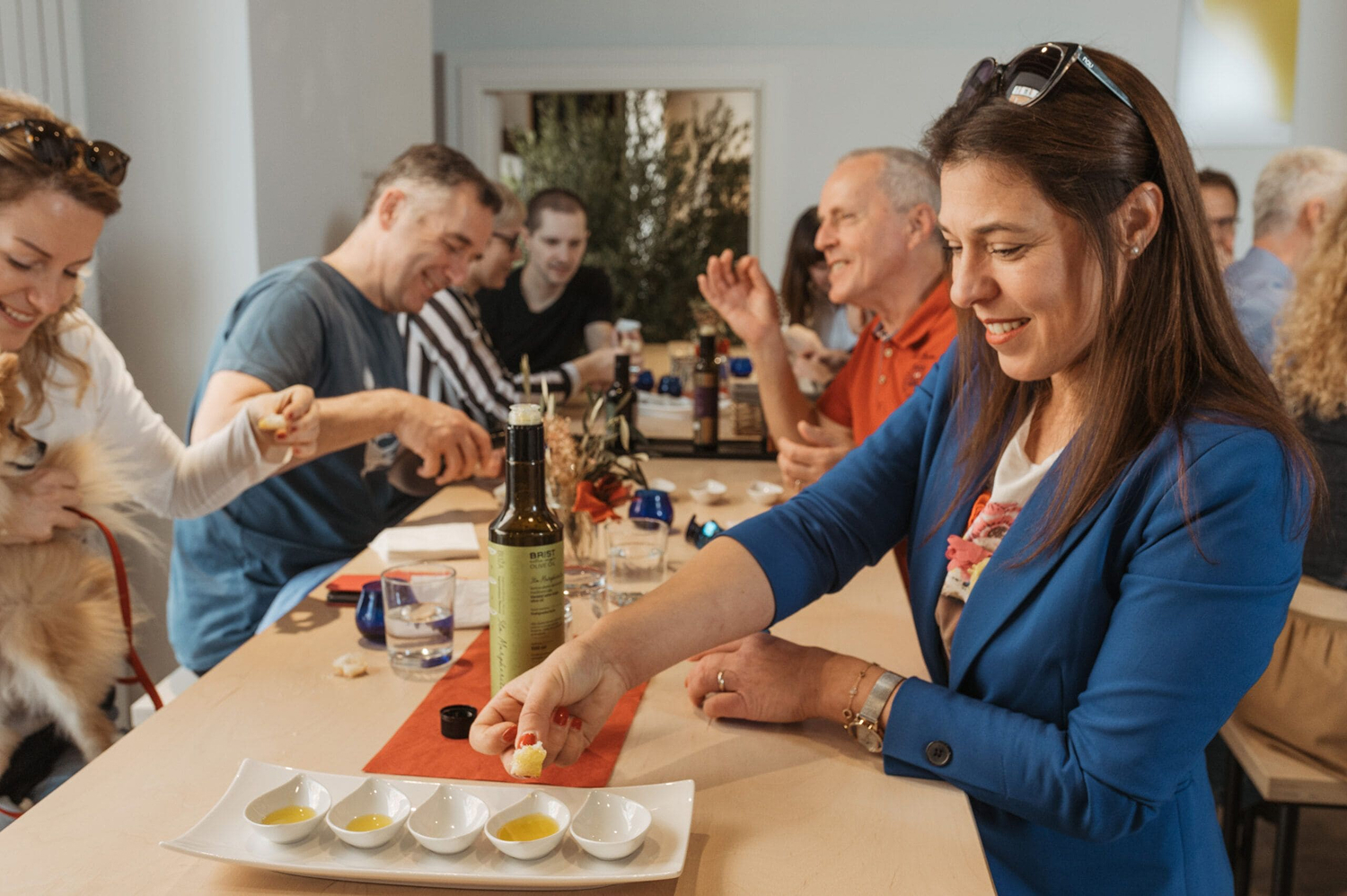
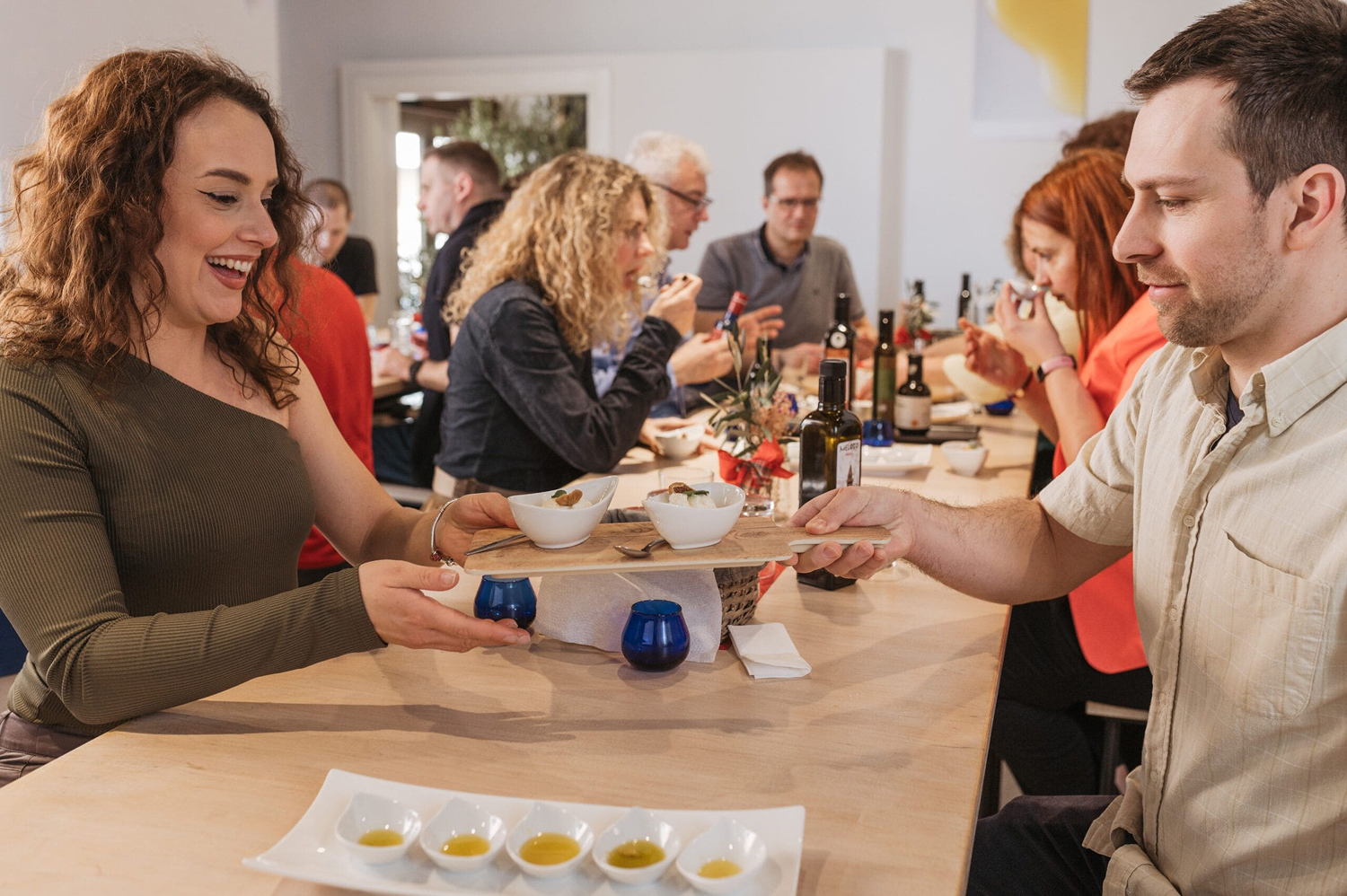
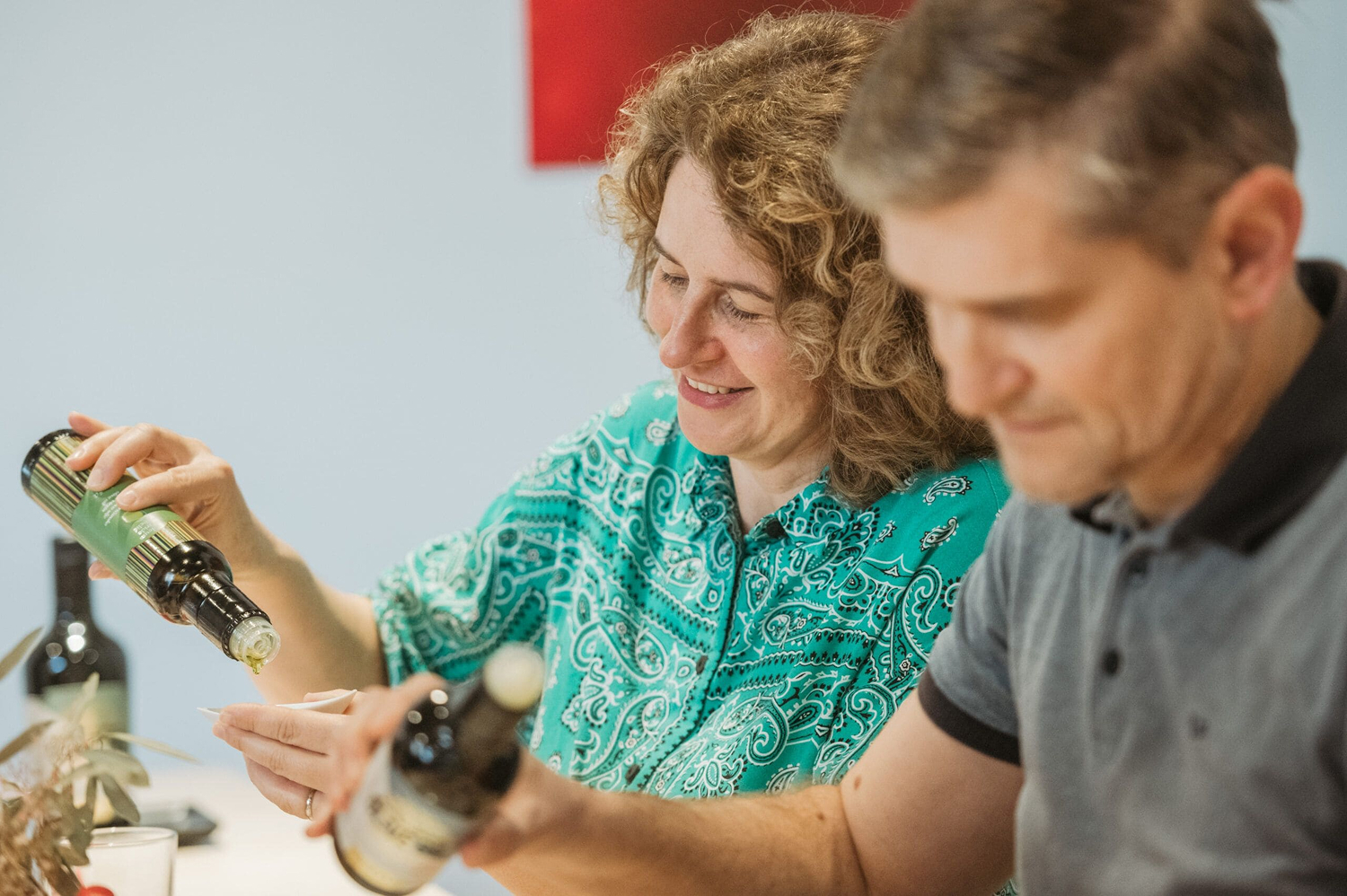
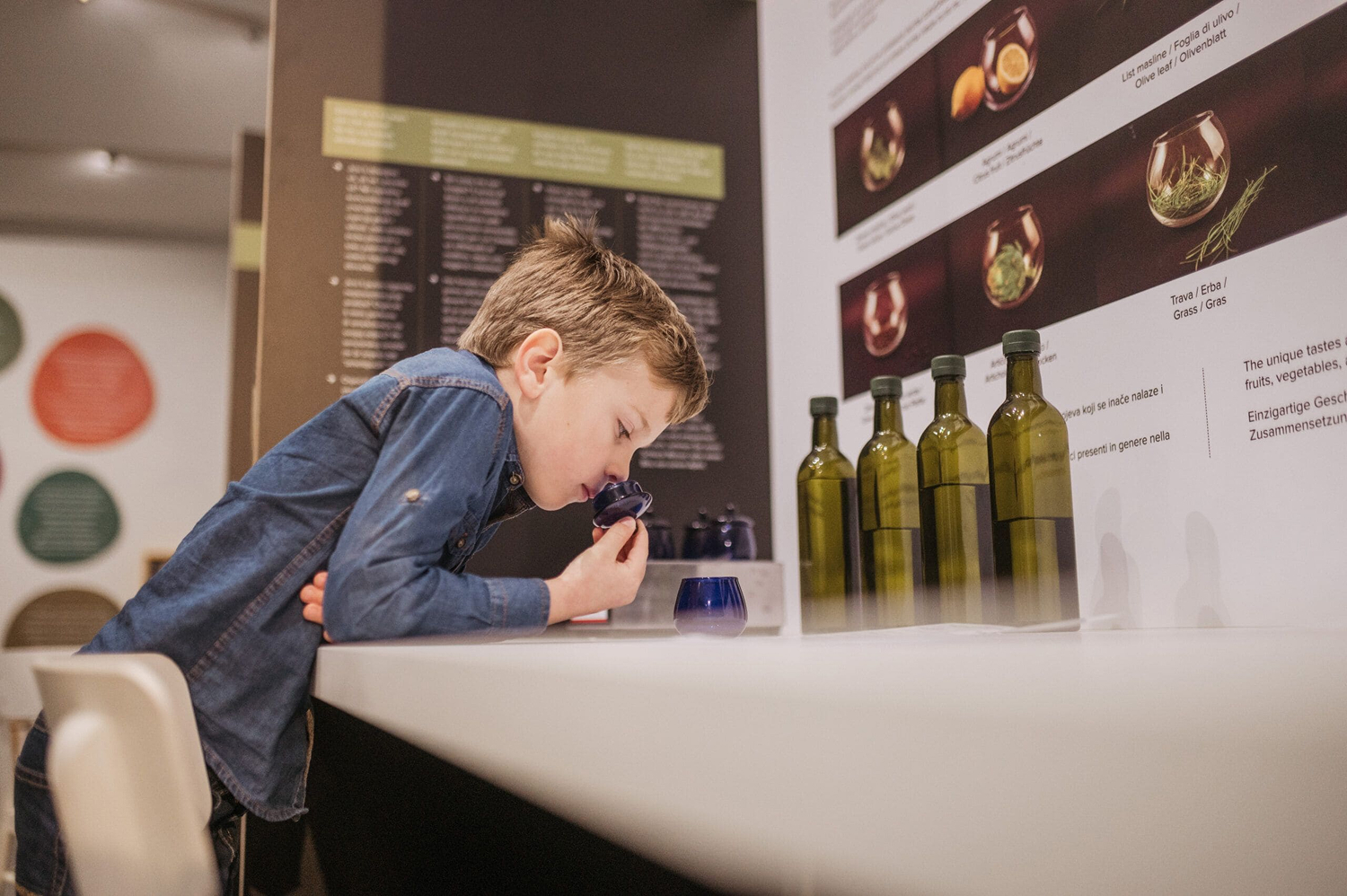
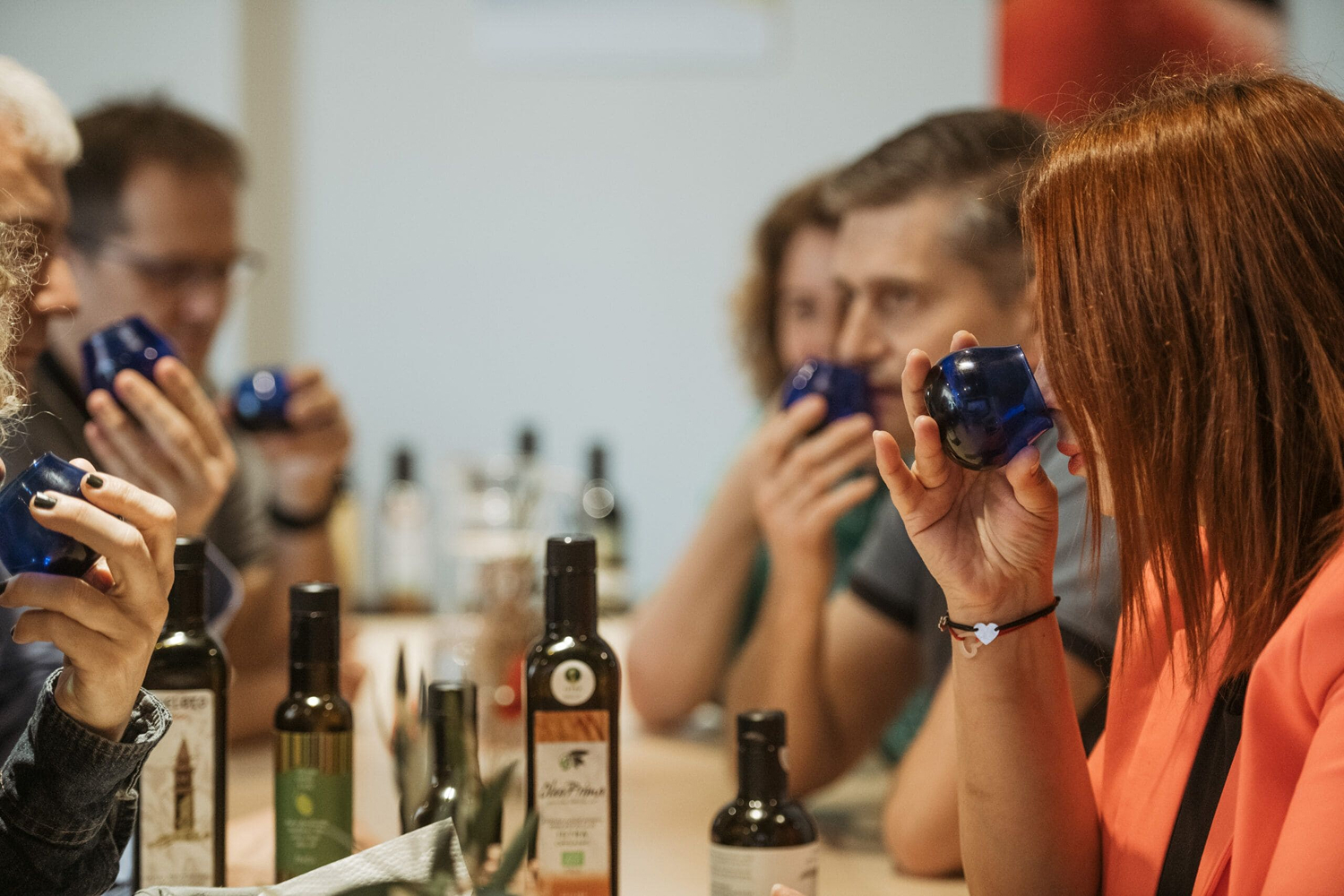
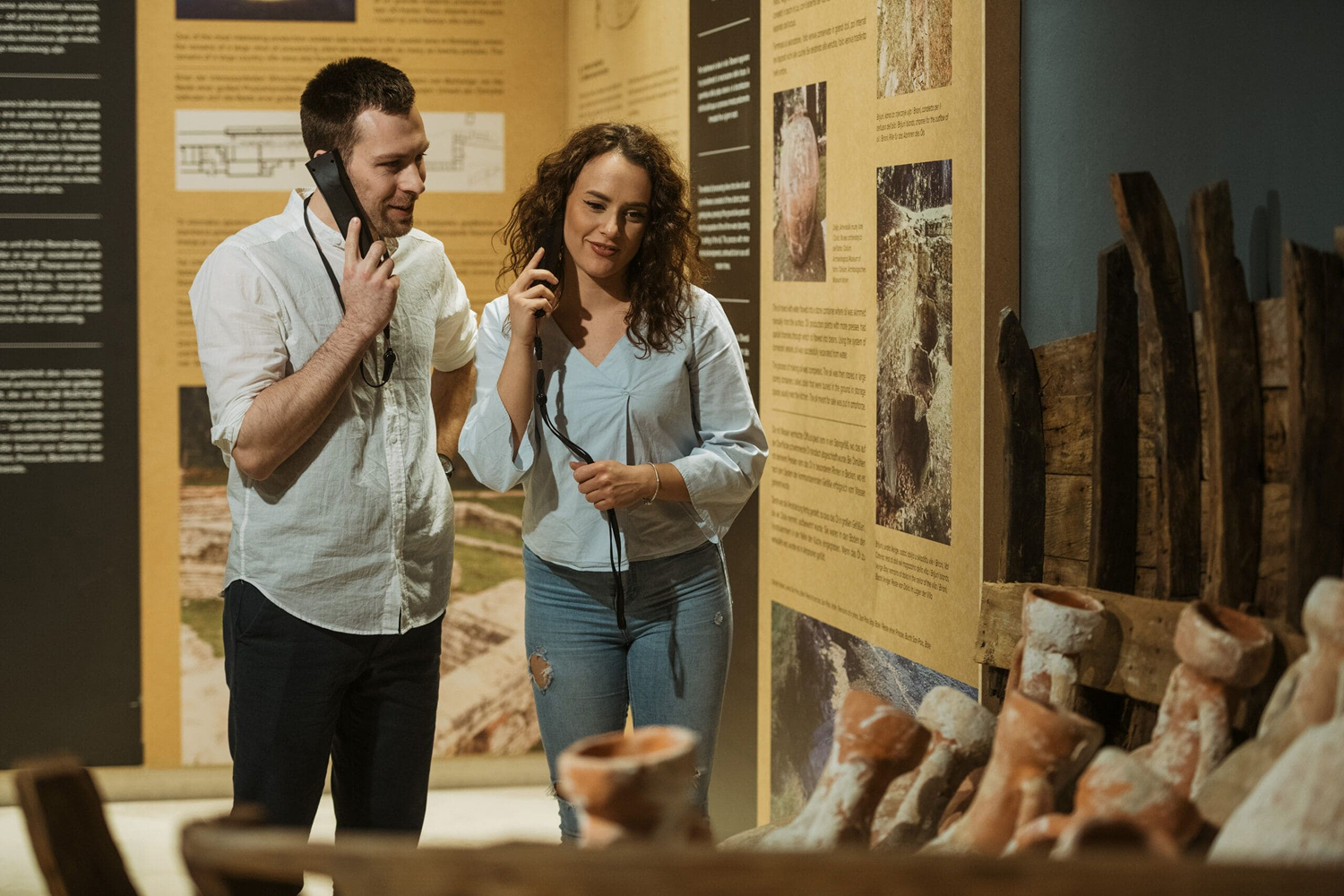
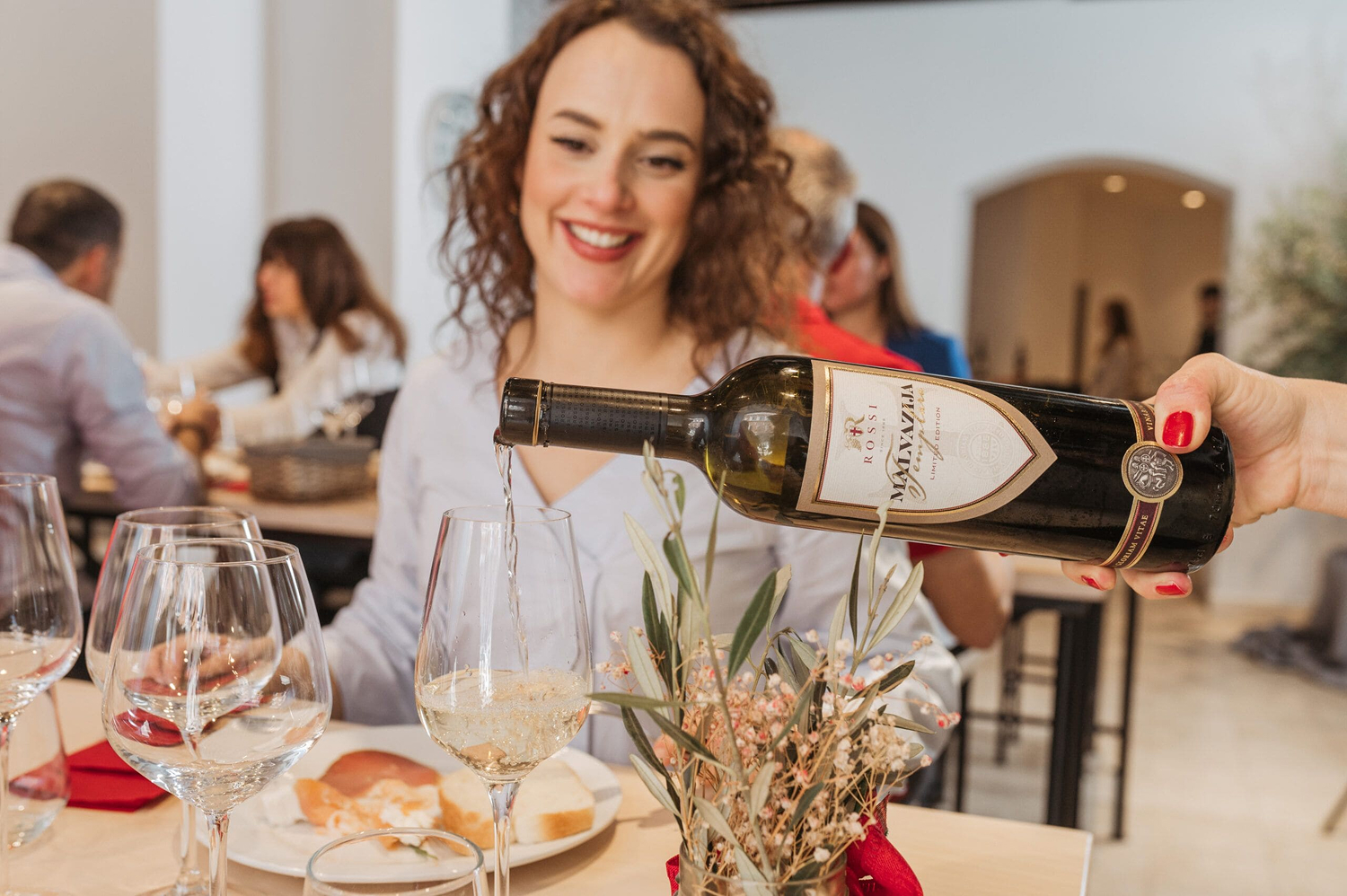
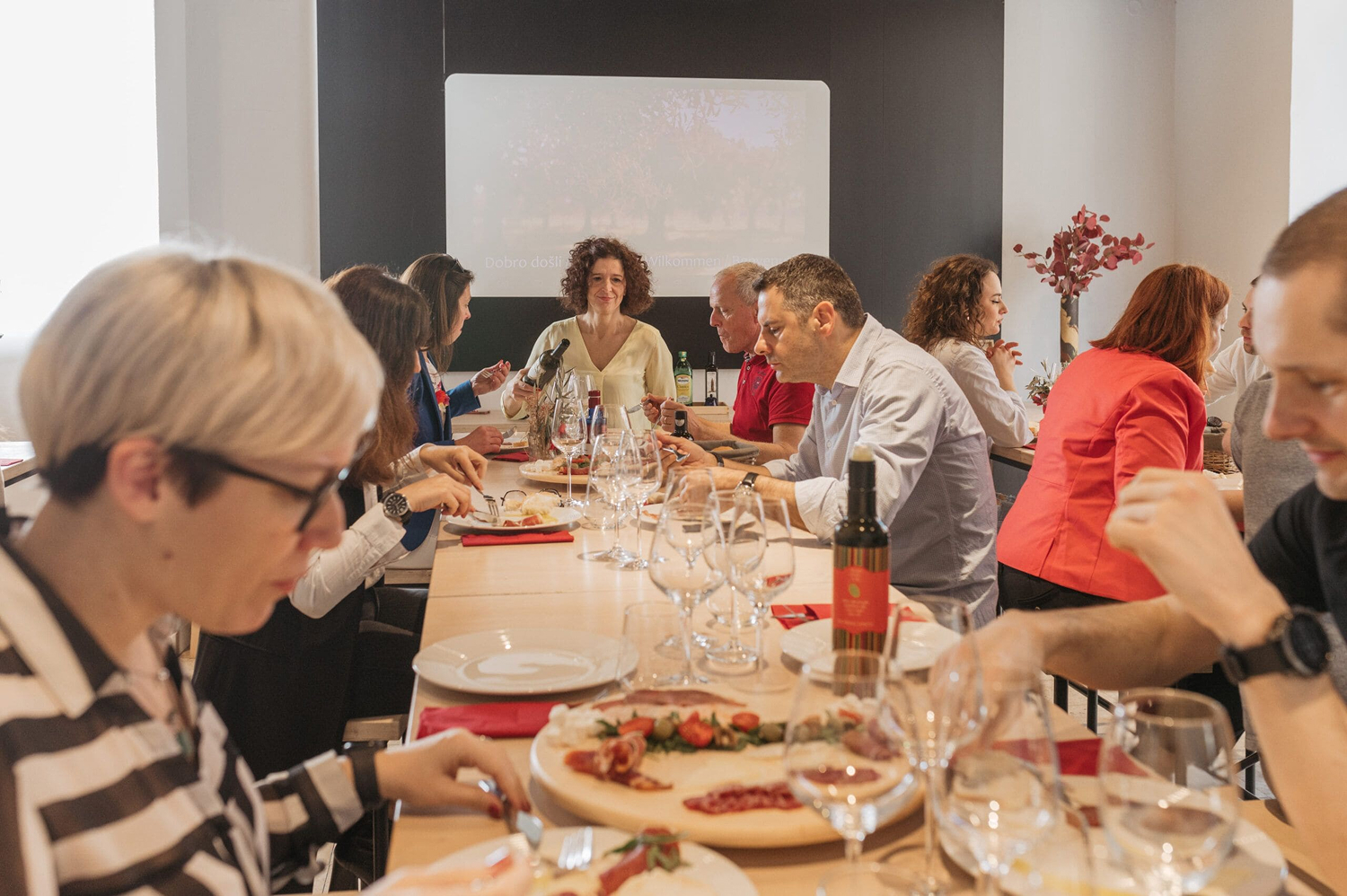
Just as in the past, today, many nature and good food enthusiasts visit Istria. They explore the roads of Istrian olive oil and visit the House of Istrian Olive Oil to go on oil-tasting tours to understand the flavors and aromas of real extra virgin olive oil.